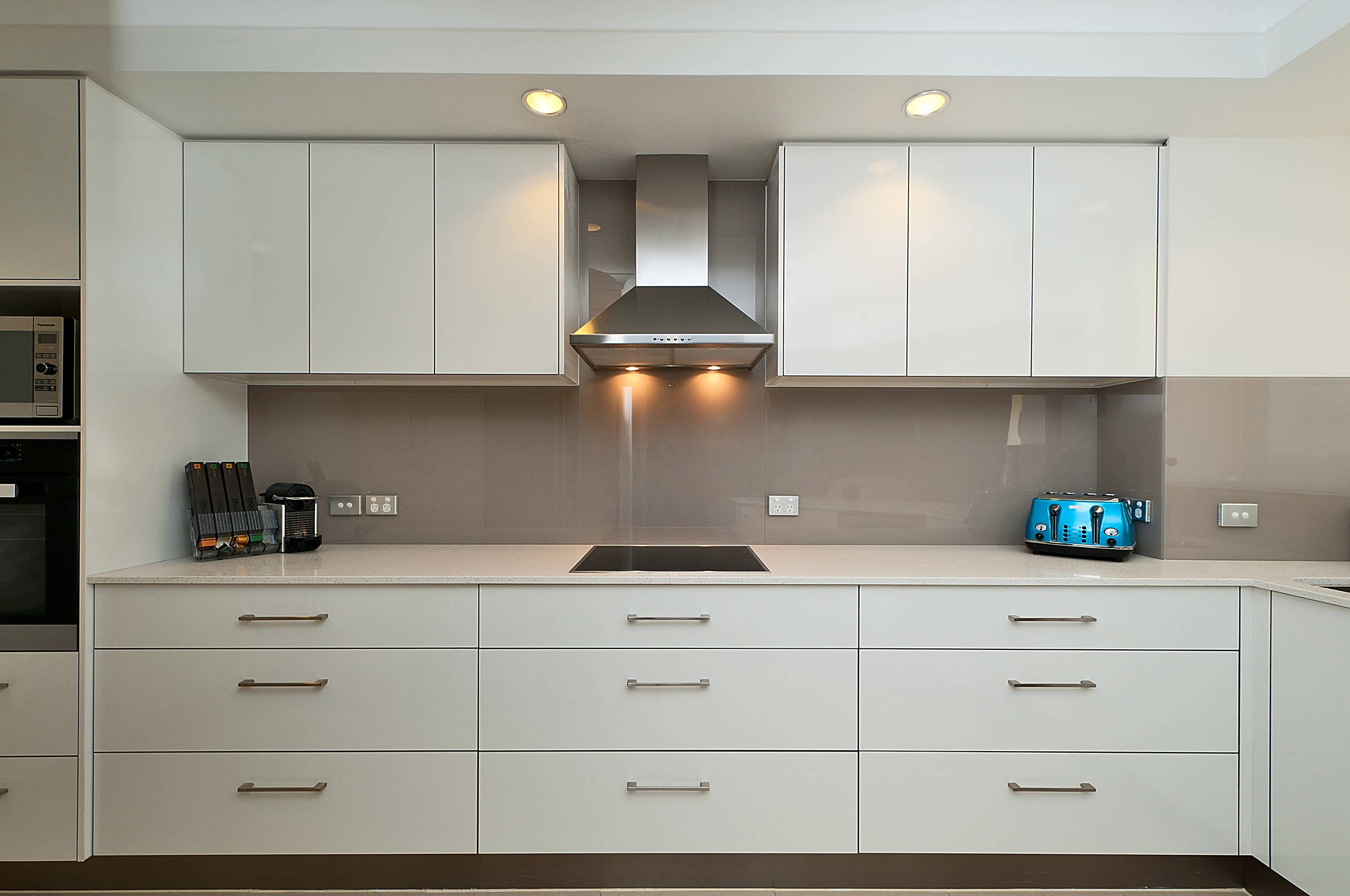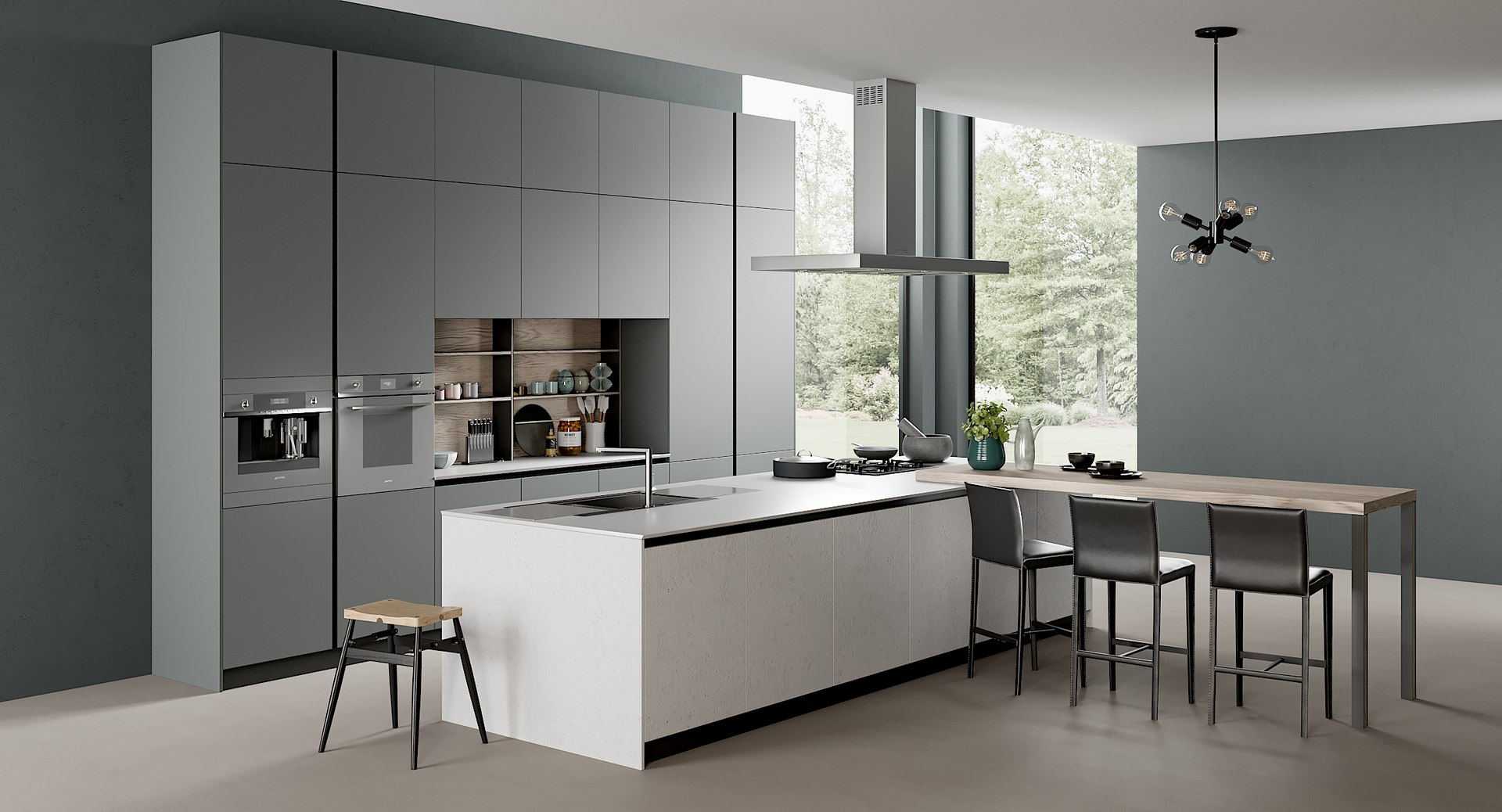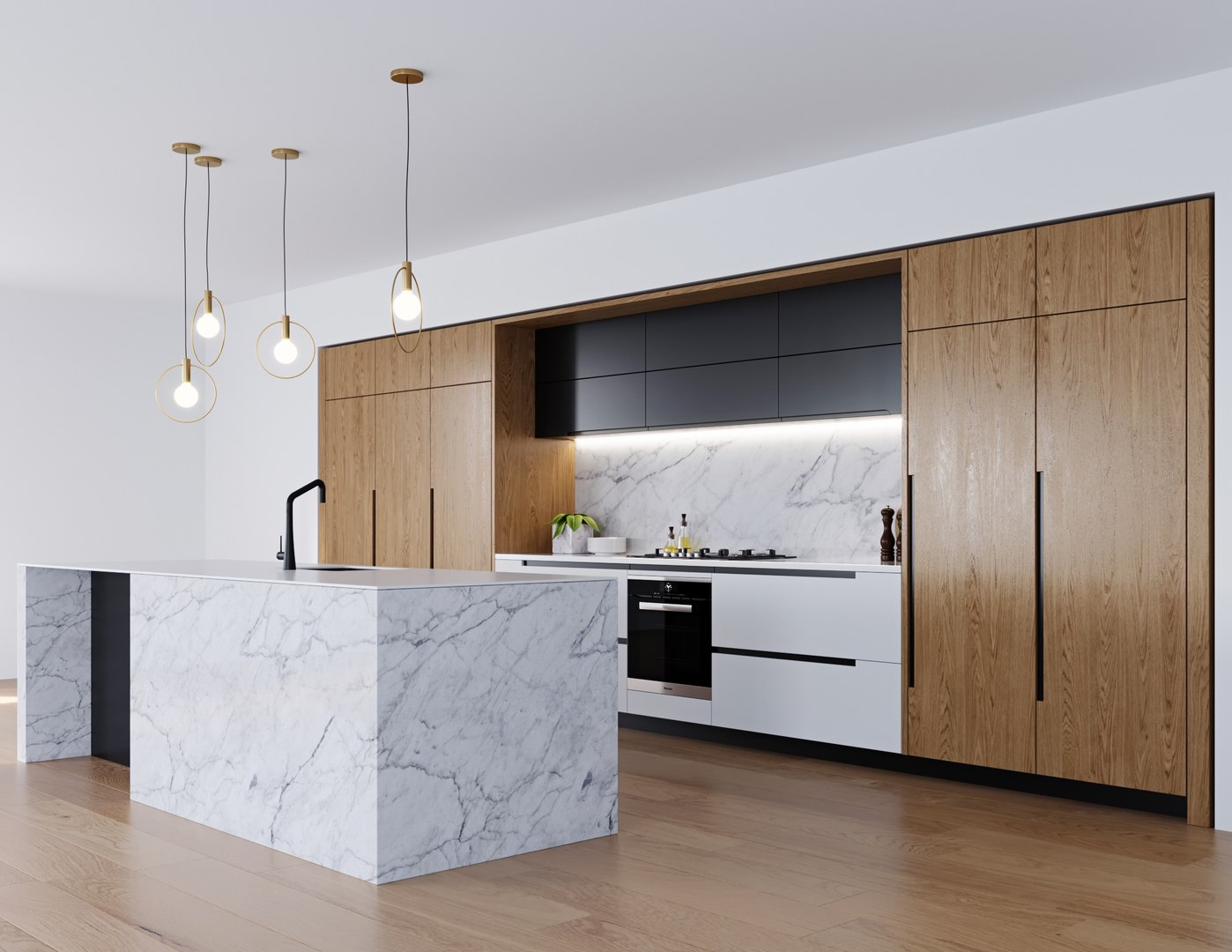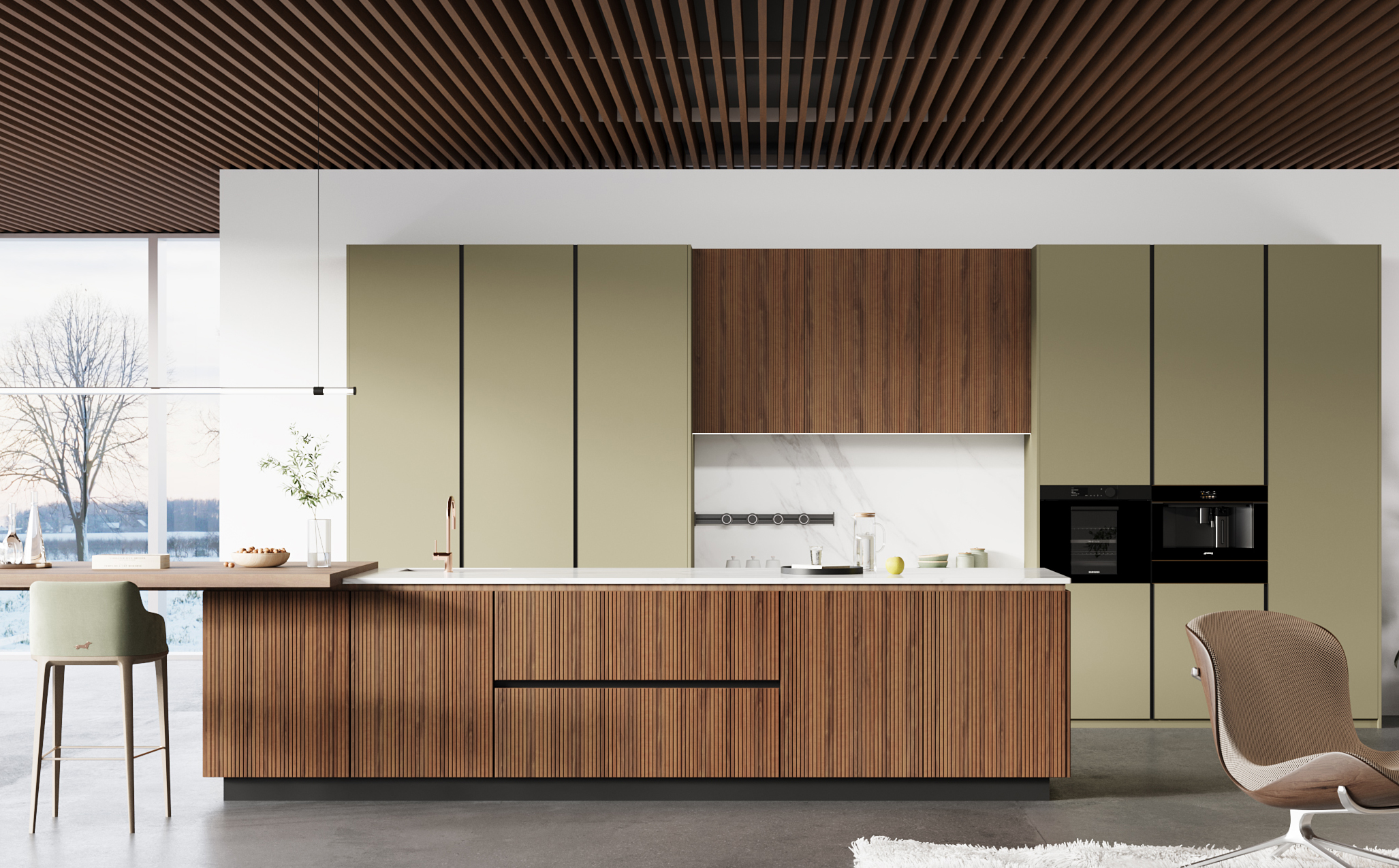
Is your current wardrobe storage failing to meet modern interior standards? Most off-the-shelf, retail-grade closets lack the structural integrity required for long-term use. They are built for showroom aesthetics, not the realities of daily life. Within two years, you start to see the inevitable signs of decline: sagging shelves that can no longer support heavy winter gear, hinges that squeak or pull away from the composite core, and doors that refuse to close flush.
For property developers, boutique hotel managers, and luxury homeowners, settling for mass-market, "flat-pack" furniture is an expensive compromise. It dilutes the property's value and creates an ongoing maintenance burden. At AIS Kitchen, we engineer storage solutions that bridge high-end architectural aesthetics and industrial-grade durability. We believe that a wardrobe is not just a place to store clothes—it is a critical piece of mechanical infrastructure that should function perfectly for decades.
The Evolution of Wardrobe Systems in 2026
As we move through 2026, the expectations for residential storage have fundamentally shifted. The "closet" is no longer a neglected cavity in the wall; it is a central feature of the modern bedroom suite. Homeowners and commercial buyers are prioritizing integrated wardrobe systems that optimize every square inch of vertical and horizontal real estate.
1. Vertical Optimization and Structural Integrity
Standard retail wardrobes often leave large, unusable gaps between the top of the unit and the ceiling, creating dust traps that require constant cleaning and wasting valuable cubic footage. Our approach focuses on floor-to-ceiling engineering. By using the full height of the room, we increase usable storage volume by up to 30%, a major selling point for urban apartment projects where every square foot translates directly into market value.
However, scaling to the ceiling requires more than just longer panels. It demands structural precision. We utilize high-density fiberboard (HDF) and marine-grade core materials to ensure that the vertical members do not bow under the weight of floor-to-ceiling door panels.
2. The Science of Surface Engineering
In 2026, material science must support aesthetics. Many lower-end manufacturers rely on standard heat-melt adhesive for edge banding, which is the primary point of failure when exposed to natural humidity fluctuations or bedroom temperature changes.
At AIS Kitchen, we implement PUR (Polyurethane Reactive) edge-banding technology. This creates a nearly invisible, zero-seam bond that is essentially waterproof. This isn't just about looks—it’s about longevity. By sealing the panel edge against moisture ingress, we keep the core board stable and prevent the peeling and bubbling that plague cheaper alternatives.
3. Hardware: The "Invisible" Component of Value
The most expensive panel in the world is useless if the hardware fails. The difference between a premium unit and a disposable one is measured in "cycles"—the number of times a door can open and close before the mechanism fatigues.
We partner with global industry leaders like Blum and DTC to integrate soft-close mechanisms tested for over 100,000 cycles. When a potential buyer opens a wardrobe door in a luxury property, the tactile experience is the first indicator of quality. A smooth, silent, dampened closure signals that the rest of the construction is equally high-end. This is the difference between a property that sells for a premium and one that languishes on the market.
The Factory-Direct Advantage: Why Middlemen Cost You Millions
In large-scale commercial projects, the math is simple: middle-tier retailers add massive overhead while providing zero value in product quality. By sourcing directly from a professional wardrobe manufacturer, commercial project managers can cut retail markups by up to 40%.
This capital reallocation allows developers to:
- Upgrade Finishing: Use premium PET or high-gloss UV-cured finishes instead of basic melamine to enhance the unit's visual appeal.
- Invest in Customization: Add bespoke interior organizers—such as pull-out trouser racks, jewelry trays, and integrated LED motion sensors—that set your project apart from cookie-cutter competitors.
- Ensure Environmental Compliance: Meet strict E0-grade and F4-star environmental safety standards, which are increasingly mandatory for luxury residential certifications.
For multi-unit apartment complexes, factory-direct sourcing also provides consistency. When you order from a retail outlet, different batches may have slight color or hardware variations. When you order directly from our factory, every single unit is produced under the same quality control protocols, ensuring a uniform, premium finish across all 50, 100, or 500 apartments.
Designing for the Future: Trends That Matter
What will the bedroom look like in 2030? Today's trends point toward a seamless, "invisible" aesthetic.
Minimalist Handleless Systems
Push-to-open and integrated profile handles are defining the modern aesthetic. They remove visual clutter and create clean, architectural lines that make a bedroom feel more like a sanctuary and less like a storage locker. These systems require extreme precision in door alignment; even a 1mm deviation is visible when no handles break up the line. Our digital fabrication process ensures this level of precision.
Integrated Technology
Smart lighting is no longer an "optional extra." Motion-sensing LED strips embedded into the wardrobe shelves create an intuitive user experience. When the door opens, the interior is lit instantly, illuminating dark corners and making item retrieval effortless.
Modular Flexibility
The modern lifestyle is fluid. We are increasingly designing wardrobes with modular interiors that can be adjusted. Shelves that can be moved, drawers that can be added later, and hanging rails that adjust in height. This flexibility ensures the wardrobe can evolve with the user, extending the furniture's lifecycle and providing better long-term ROI for the property owner.
Conclusion: Partnering for Success
Don’t let subpar cabinetry dilute the value of your property. Whether you are outfitting a luxury villa or a multi-unit apartment complex, our factory-direct consistency ensures that your hardware and finishes match perfectly across every single unit.
We have refined our manufacturing process to ensure that quality is not just a promise, but a measurable metric—from the density of the HDF core to the tensile strength of our hinges. When you work with us, you are not just buying furniture; you are securing a competitive advantage for your development project.
Ready to get started? Visit AIS Kitchen today to download our latest product specifications, view our full range of luxury finishes, or speak with an engineering consultant for a transparent, no-obligation project quote. Let’s build something that stands the test of time.