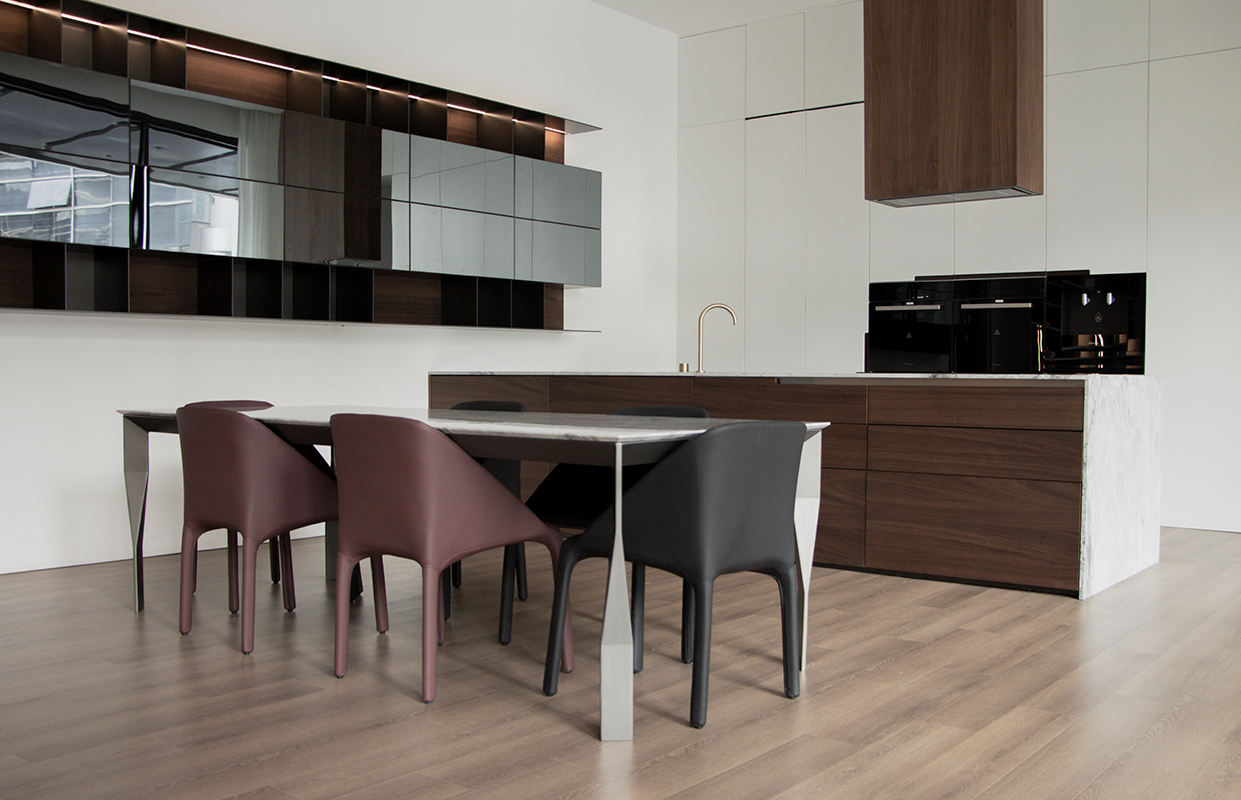
In today's context of ever-shrinking urban living spaces, small kitchens have become mainstream. However, limited space doesn't mean compromised functionality. Achieving efficient storage and a comfortable experience in a small kitchen has become a key focus for many developers, designers, and project procurement teams. It is precisely under this market demand that custom kitchen cabinets have gradually become a core solution for optimizing the space utilization of small kitchens. Through flexible design and modular combination, custom kitchen cabinets not only improve space utilization efficiency but also balance aesthetics and practicality, bringing more competitive integrated kitchen solutions to B2B clients.
Custom Kitchen Cabinets are the Game-Changer for Small Kitchen Layouts
In traditional kitchen design, standardized cabinets often struggle to adapt to the complex and varied structures of small apartments, leading to significant space waste. Custom kitchen cabinets, however, completely change this situation through tailor-made solutions.
Firstly, custom kitchen cabinets can be precisely designed according to the actual dimensions of the kitchen. Whether it's an L-shaped, U-shaped, or linear kitchen layout, customized solutions can maximize space utilization. For example, in corner areas, customized corner cabinets or pull-out basket systems can effectively solve the "dead corner problem" in traditional designs.
Secondly, custom kitchen cabinets offer high flexibility in height and depth. Standard cabinets typically use fixed dimensions, while custom cabinets can be adjusted in height and wall depth according to user needs, better fitting the wall structure and maximizing vertical space utilization.
Furthermore, for irregularly shaped spaces common in small kitchens, such as beams, columns, and recesses, custom kitchen cabinets can be seamlessly integrated through modular design, avoiding wasted space. This highly compatible design makes the kitchen more compact and unified.
From an engineering project perspective, using custom kitchen cabinets also improves overall delivery quality. Unified design and production standards help reduce construction errors and improve installation efficiency, which is especially important for B2B clients such as real estate projects or hotel apartments.
Features of Custom Kitchen Cabinets That Unlock Hidden Storage
The core challenge of small kitchens is insufficient storage space, and custom kitchen cabinets fully utilize the potential of every inch of space through diverse functional designs.
1. Multi-layered Storage Structure Design
Custom kitchen cabinets typically employ a layered storage design. For example, tall cabinets can be equipped with multiple shelves or drawer systems for categorized storage. This structure not only improves space utilization but also enhances the ease of access to items.
2. Built-in Functional Modules
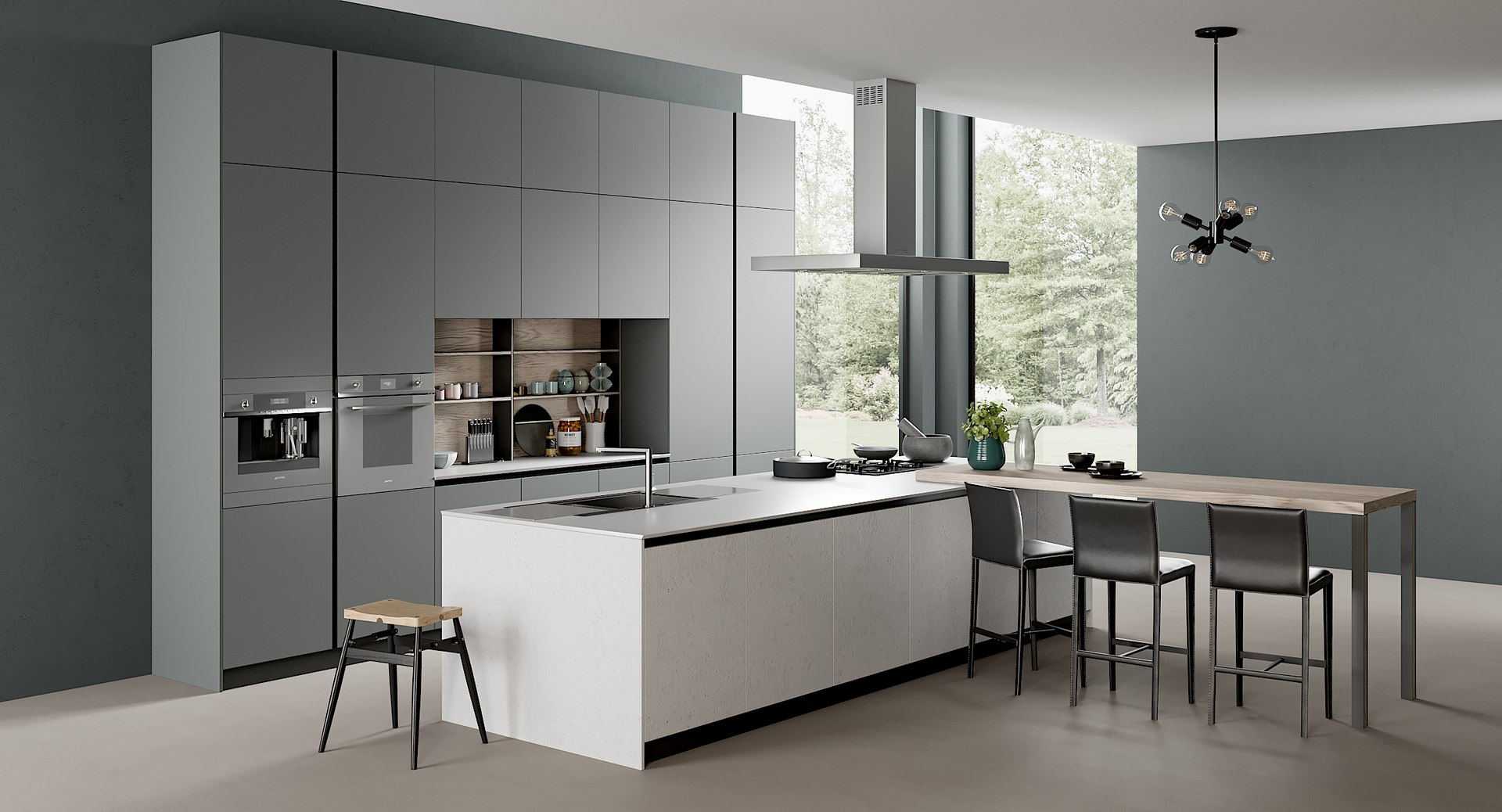
In modern kitchens, built-in designs are becoming increasingly popular. Custom kitchen cabinets can integrate appliances such as ovens, microwaves, and dishwashers, making the overall space neater and more unified while saving additional space.
3. Optimized Drawer and Pull-out Basket Systems
Compared to traditional open-door storage methods, custom kitchen cabinets tend to use drawer and pull-out basket structures. This design not only improves the utilization of internal space but also allows users to easily access items at the back, avoiding wasted space.
4. Combination of Wall and Tall Cabinets
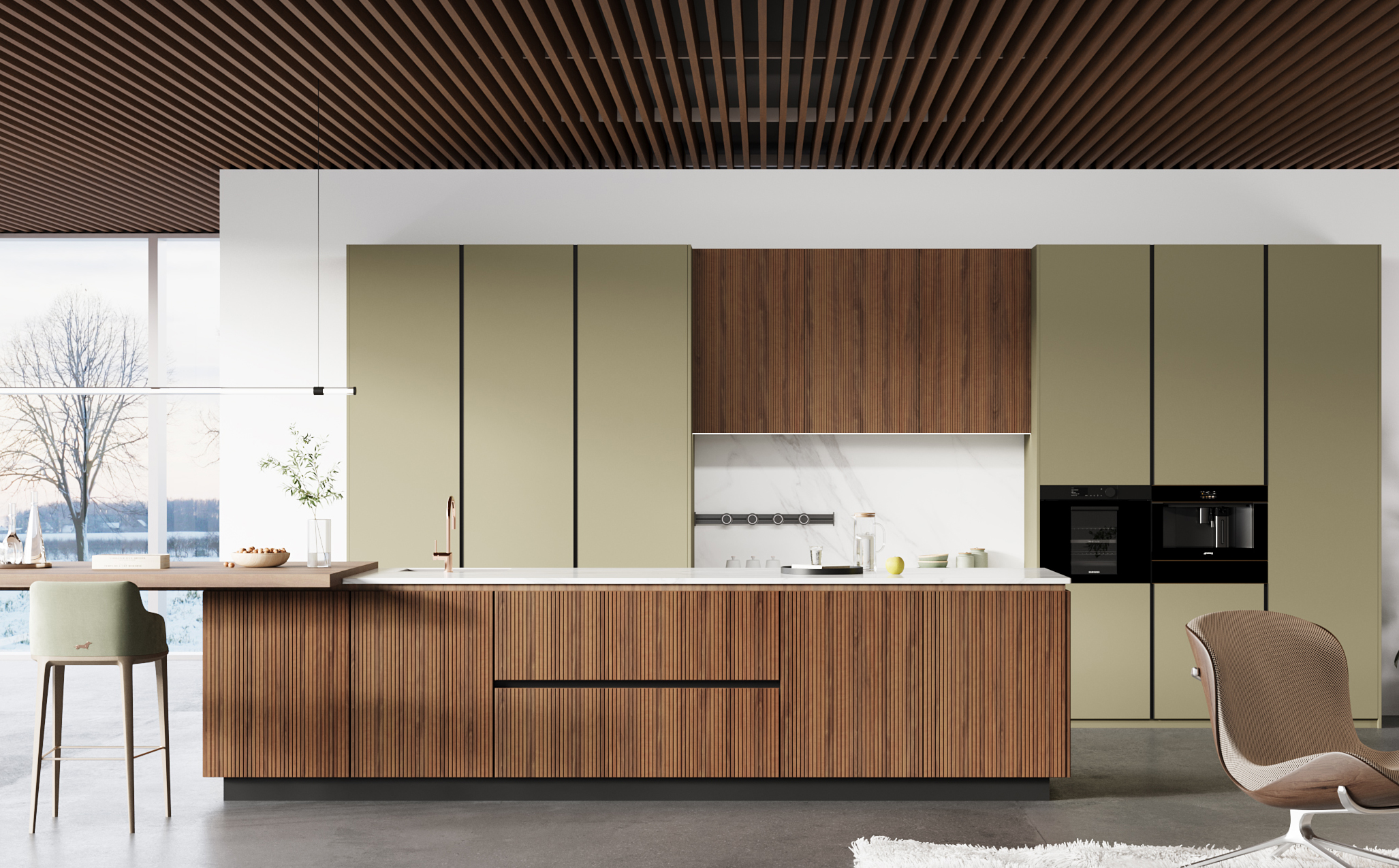
Through a reasonable configuration of wall and tall cabinets, custom kitchen cabinets can fully utilize wall space, especially suitable for small kitchens. Tall cabinets can be used to store large items, while wall cabinets are used for everyday items, forming a scientific storage system.
5. Advantages of Modular Design
Based on the modular concept, custom kitchen cabinets can be flexibly combined according to different project needs. This not only facilitates transportation and installation but also makes later maintenance easier, greatly improving the feasibility of engineering applications.
How Custom Kitchen Cabinets Create an Airy Feel
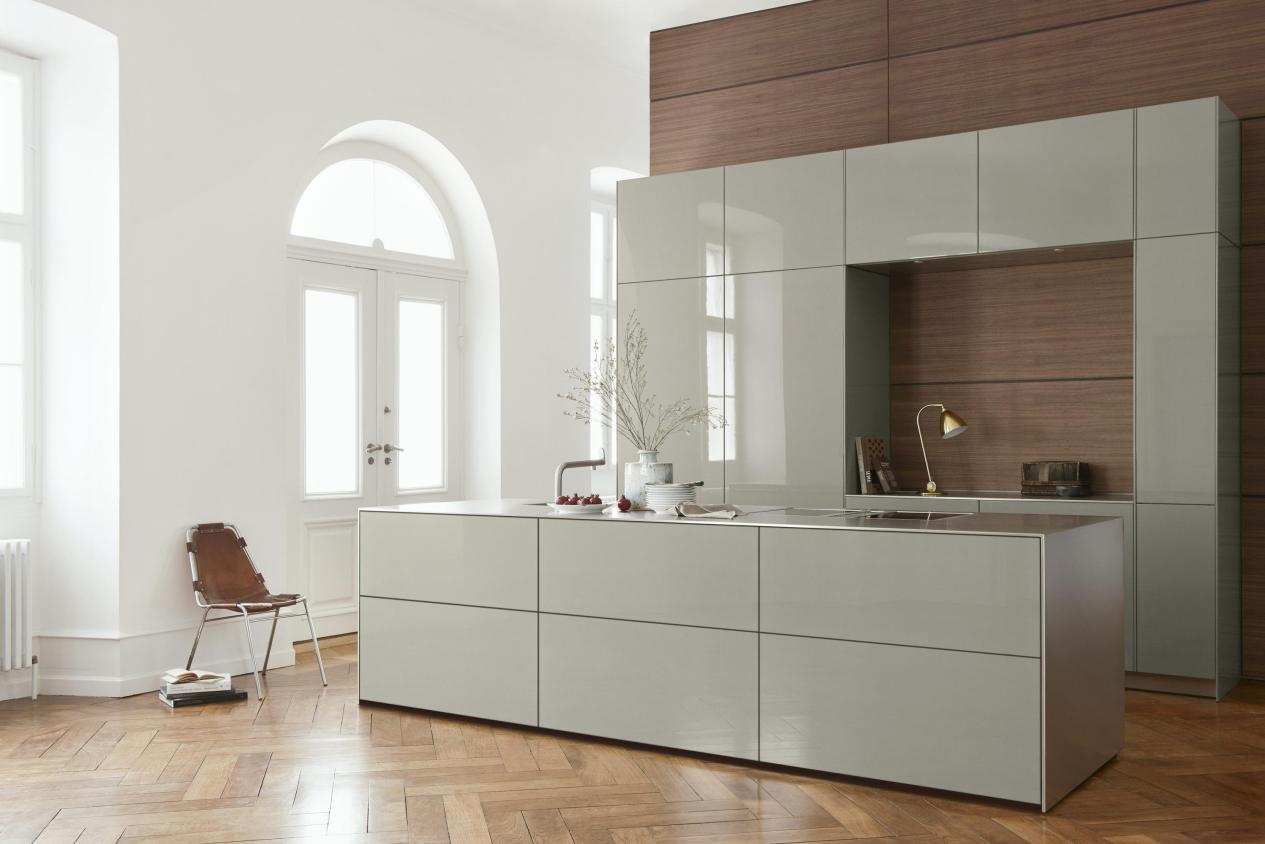
Beyond storage functionality, the visual experience of a small kitchen is equally important. Well-designed custom kitchen cabinets can effectively enhance the sense of openness, making the kitchen appear more spacious and bright.
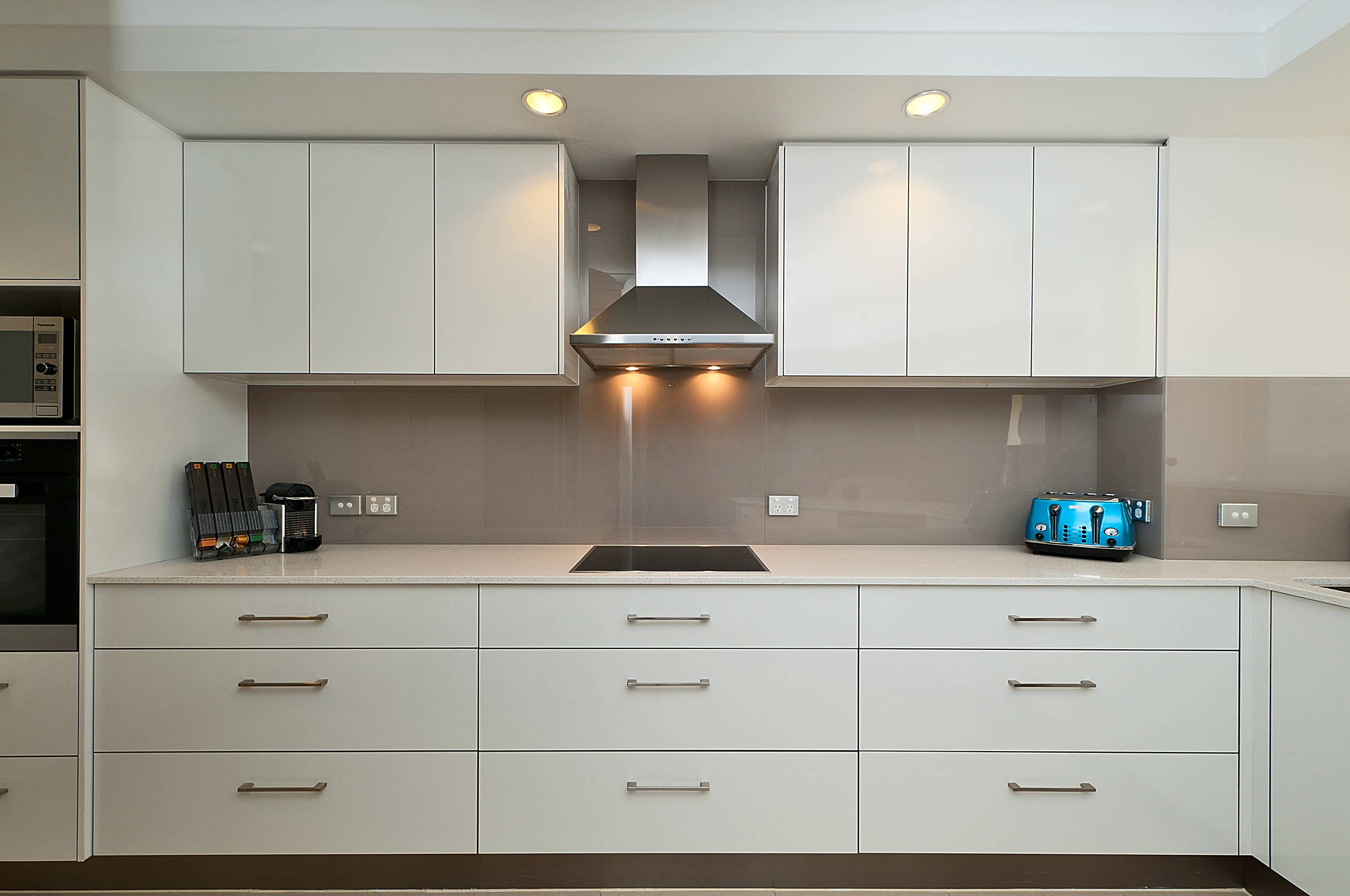
Firstly, in terms of design, custom kitchen cabinets emphasize clean lines and overall unity. By reducing complex decorations and adopting a modern minimalist style, visual burden can be reduced, making the space more refreshing.
Secondly, the choice of color and materials is also crucial. Light-colored cabinets visually enlarge the space, while a well-chosen combination of high-gloss or matte materials can enhance light reflection, making the kitchen brighter.
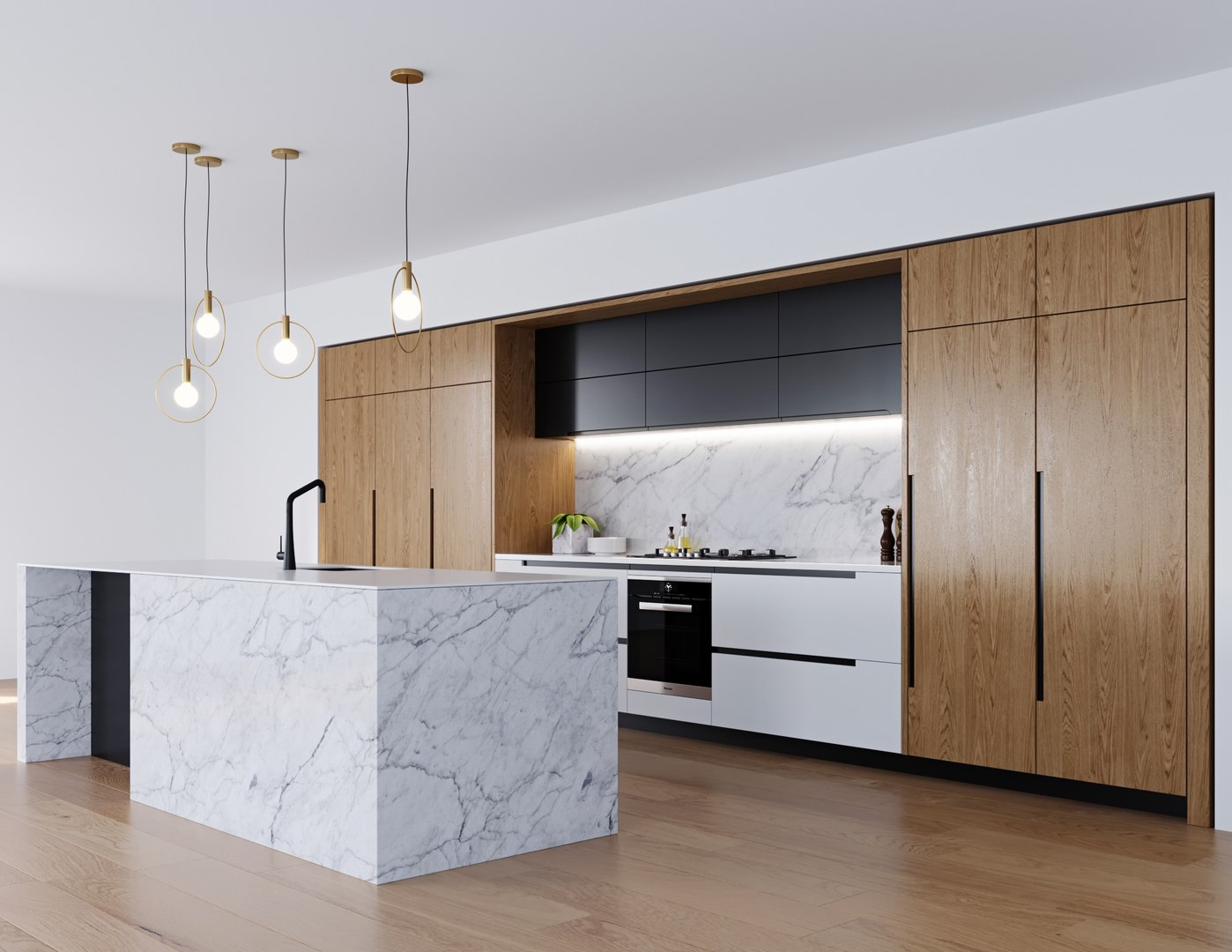
Furthermore, custom kitchen cabinets often employ a floor-to-ceiling design, reducing the gap between the cabinets and the ceiling, thus creating a sense of unity. This design not only increases storage capacity but also avoids visual breaks, making the space feel more expansive.
In terms of lighting design, custom kitchen cabinets can incorporate recessed lighting strips or concealed lighting to enhance the overall ambiance. This attention to detail is especially important for small spaces, helping to create a more comfortable user experience.
The Long-Term Value of Investing in Custom Kitchen Cabinets
Choosing custom kitchen cabinets is not just a space optimization decision, but also a long-term investment.
First, custom kitchen cabinets offer greater durability. Through high-quality materials and advanced manufacturing processes, custom cabinets exhibit superior structural stability and lifespan, reducing future maintenance costs.
Second, from a project value perspective, custom kitchen cabinets significantly enhance the overall quality of the kitchen. Whether in residential or commercial projects, high-quality cabinets enhance the user experience, thereby increasing project competitiveness.
Furthermore, custom kitchen cabinets offer excellent adaptability. Designs can be flexibly adjusted to meet diverse customer needs in response to varying market demands. This customizability gives them a competitive edge in the international market.
In addition, the modular structure of custom kitchen cabinets makes transportation and installation more efficient, helping to shorten project cycles and improve construction efficiency. This is particularly crucial for large-scale projects.
Finally, with consumers' increasing demands for personalization and quality, custom kitchen cabinets have become a significant development trend in the kitchen industry. Early investment in this area helps companies gain a competitive edge in the future market.
Conclusion
In summary, custom kitchen cabinets play an irreplaceable role in optimizing small kitchen spaces. From spatial layout and storage design to visual experience and long-term value, custom kitchen cabinets demonstrate significant advantages, becoming a core component of modern kitchen solutions.
AIS Kitchen, relying on a mature production system and modular design concept, provides efficient and reliable custom kitchen cabinets to customers worldwide. Its modular kitchen cabinets not only excel in space utilization but also balance aesthetics and practicality, meeting the diverse needs of different projects.